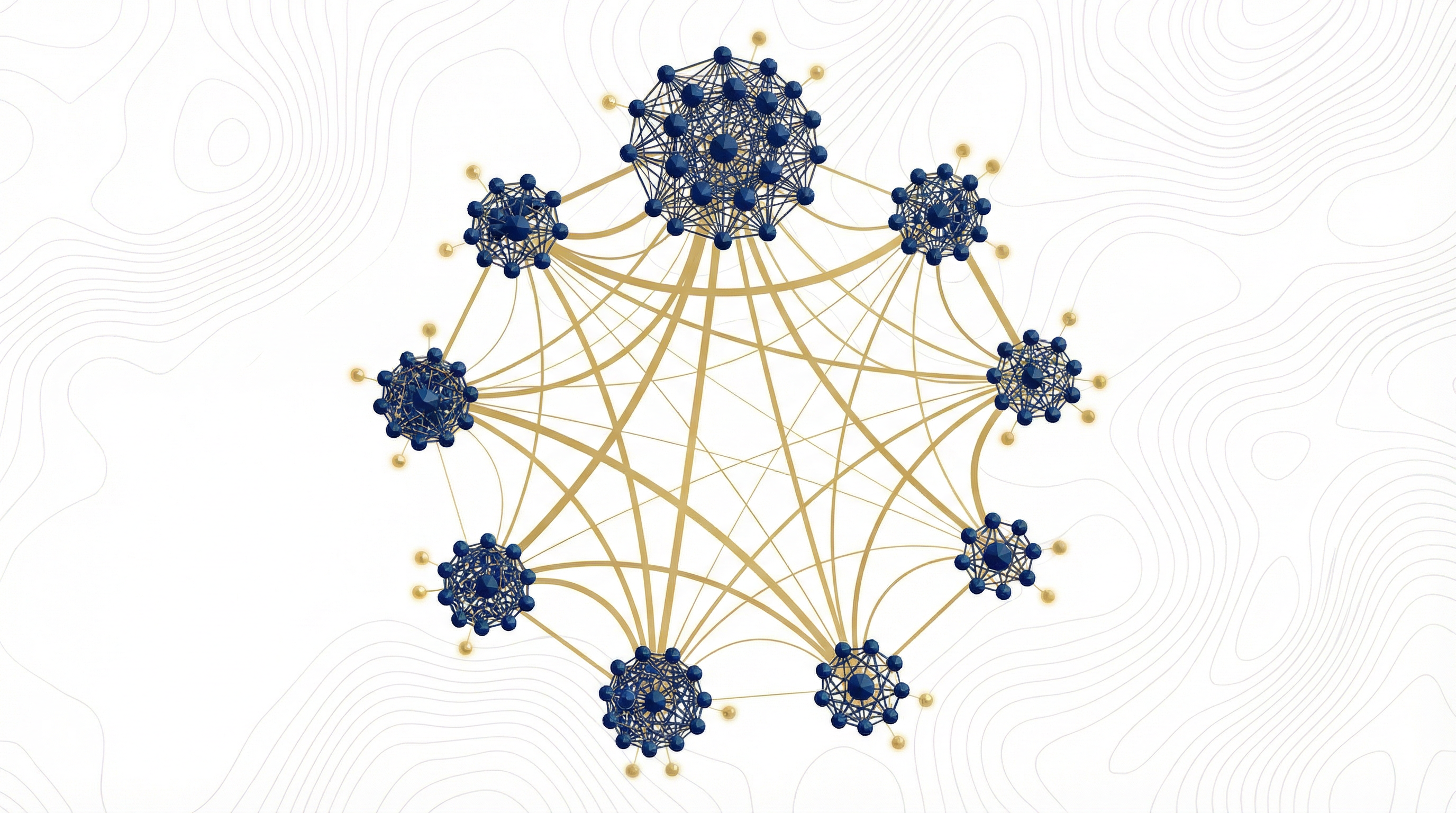
Each service is uniquely assigned to a single operational category, with strict gating via QDS consensus. No single prompt is cross-listed. Every output is ARCS/ECIA-7 tagged with full compliance trace.
Core mandate addressing identification, reporting, incident logging, case tracking, and referral protocols as mandated by ACTIP and UNTOC. Services operationalize rapid intake, cross-border referral, evidence preservation, regulatory compliance, and trauma-adapted interventions.
Survivor journey mapping identifies initial intake and triage as the single most influential point for long-term case outcomes and safety. Targets trauma-informed interfaces, multilingual accessibility, immediate needs flagging, and privacy protection.
Women and girls constitute 86% of regional trafficking survivors. Dedicated services support economic reintegration, psychosocial counseling, access to legal documentation, entrepreneurship pathways, and ongoing protection.
Child survivors require specialized, longitudinal support: family reunification, legal guardianship, trauma-sensitive education pathways, and child-specific compliance overlays per the Helios framework and UN Convention on the Rights of the Child.
Sustained reintegration and resilience hinge on skill transfer, digital inclusion, and literacy support for at-risk groups. Services focus on survivor education, NGO worker upskilling, digital access, and gender-responsive capacity development.
Interruption of trafficking networks and support for at-risk populations are amplified in contexts of ongoing conflict or migration. Services operationalize cross-border trust-building, mediation support, restorative justice, and trauma-informed community programs.
Trafficking risk is systematically higher in regions with poor economic infrastructure. Services focus on microfinance access, social venture incubation, community resource mapping, and partnership enablement to attack root causes.
Critical junctures enabling survivor testimony, documentation renewal, protection petitions, and court process automation. Heavily permission-gated by ARCS/ECIA-7 with emphasis on evidence integrity and anonymization.
Dashboard and analytic tools powering real-time compliance tracking, anomaly detection, evidence kernel reporting, and live regulatory export with download-ready ARCS/ECIA-7 logs.